Seasonal Bee Activity and When Pest Control Is Most Effective
Understanding seasonal bee activity and when pest control is most effective helps you find local service providers who can safely and efficiently manage bee problems during peak times.
Understanding seasonal bee activity and when pest control is most effective can be crucial for property owners looking to manage or prevent bee-related issues. Bees tend to be most active during certain times of the year, which can influence the best approach for removal or control efforts. Recognizing these patterns helps property owners plan ahead, ensuring that interventions are timely and effective. Local contractors specializing in seasonal bee control are equipped to address these fluctuations, providing targeted solutions that align with peak activity periods and help maintain a safe, bee-free environment.
Exploring this topic can also reveal practical reasons for property owners to schedule bee control services at specific times of the year. Whether dealing with a sudden hive emergence or aiming to prevent future infestations, understanding when pest control is most effective ensures efforts are optimized. Local service providers can offer insights into seasonal trends and recommend the best times for intervention, making it easier for property owners to protect their homes and businesses from unwanted bee activity. Keep reading to learn more about how seasonal factors influence bee behavior and the ways local experts can assist in managing these challenges.
- Seasonal bee activity and when pest control is most effective - local contractors often recommend scheduling treatments during early spring or late summer when bees are most active. Pest control specialists use targeted methods to safely remove or deter bee colonies during peak seasons. Timing is crucial for effective bee management, and local pros tailor their approach based on seasonal patterns. Contact local service providers to identify the best times for safe and effective seasonal bee control. Proper timing helps ensure pest issues are addressed when bees are most vulnerable or least active.
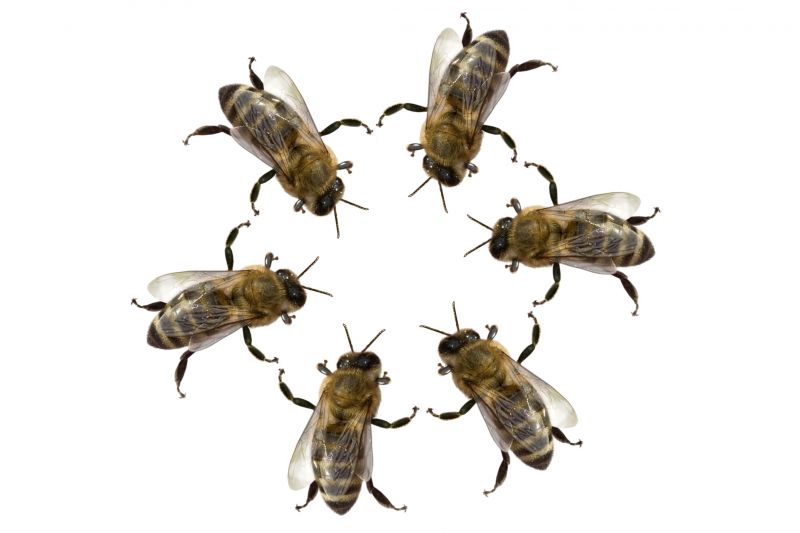
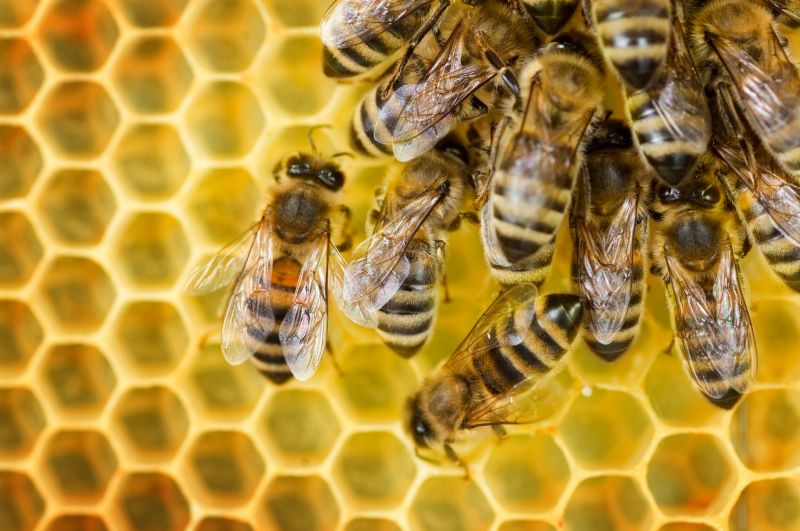
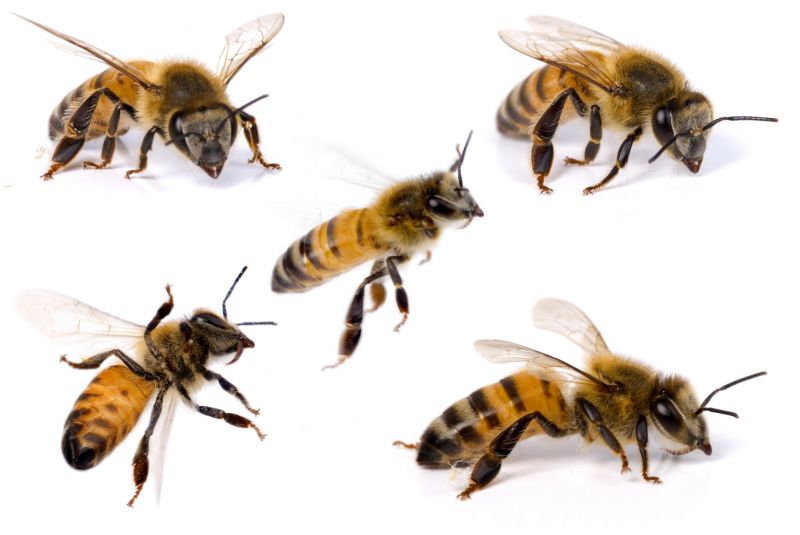
Understanding seasonal bee activity and when pest control is most effective is a common concern for homeowners dealing with bee-related issues around their properties. Many people search for this topic when they notice increased bee presence during certain times of the year or want to prevent swarms and hive formations before they become a problem. This interest often relates to plans for property protection, pest management, or even safety considerations, especially if bees are nesting near entry points, patios, or play areas. Recognizing the patterns of bee activity helps homeowners determine the best timing for professional intervention, reducing the risk of aggressive encounters and minimizing damage to their landscape or structures.
Seasonal bee activity varies throughout the year, influenced largely by climate and local flowering cycles. Typically, bee activity peaks during spring and summer when flowers are abundant, providing nectar and pollen for foraging. During these periods, bees are most active and tend to establish new hives or expand existing ones, which can lead to increased encounters for homeowners. Conversely, in late fall and winter, bee activity diminishes significantly, as many species enter dormancy or reduce their movement. Understanding these seasonal patterns helps service providers plan effective pest control strategies, ensuring treatments are timed when they are most likely to disrupt bee colonies without unnecessary interference during inactive periods.
The types of properties most often affected by seasonal bee activity include residential yards, gardens, and commercial properties with outdoor spaces. Homes with fruit trees, flowering plants, or open eaves are particularly attractive to bees seeking nesting sites or food sources. Structures such as sheds, garages, and attic spaces can also become targets for hive establishment, especially if they offer sheltered, undisturbed areas. For property owners, this means being proactive during peak seasons by consulting local pros who specialize in seasonal bee control. These professionals can assess the property, identify active colonies, and recommend appropriate treatment timings to prevent hive growth or remove existing nests safely and effectively.
For homeowners planning property maintenance or pest control, understanding when bee activity is at its highest allows for better coordination with local service providers. Seasonal bee control specialists can tailor their approaches based on the time of year, ensuring treatments are applied when they will be most effective and least disruptive. This strategic timing not only helps protect the property but also supports the safety of residents and visitors. Connecting with experienced local pros can provide peace of mind, knowing that bee issues are addressed professionally and at the right time, reducing the risk of future problems and maintaining a safe, bee-friendly environment on the property.
Wildlife Removal Services - professionals skilled in safely removing bees and other pests that are active during specific seasons, aligning with seasonal bee activity patterns.
Pest Inspection and Monitoring - local contractors who can assess property vulnerabilities related to seasonal pest behaviors and determine optimal times for control measures.
Hive Removal and Extermination - specialists experienced in managing bee colonies that emerge or become active during peak seasons, ensuring effective pest control.
Preventive Pest Control - service providers who implement strategies to reduce pest activity during high-risk seasons, minimizing future infestations.
Seasonal Pest Barrier Installation - contractors who set up physical barriers or deterrents timed to coincide with periods of increased bee activity.
Property Inspection for Pest Entry Points - experts who identify and seal entry points that pests use during seasonal activity peaks, supporting effective pest control efforts.
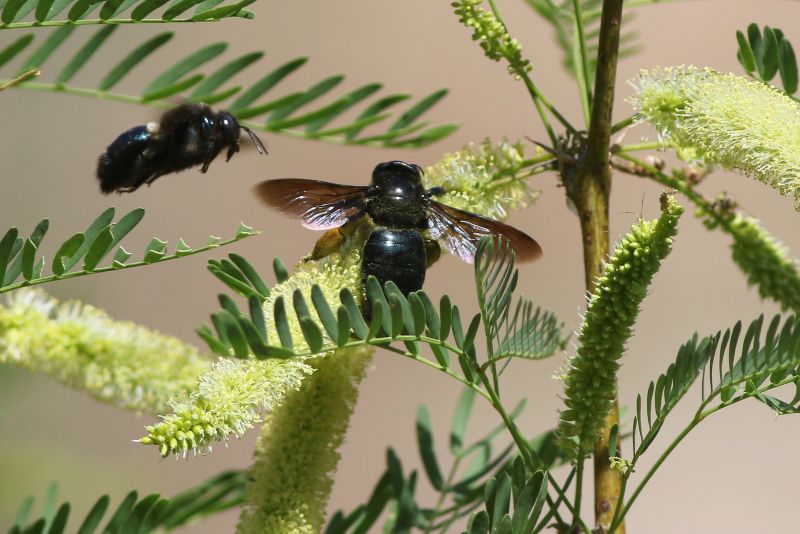
When evaluating service providers for seasonal bee activity and pest control, it is important to consider their experience with similar projects. Homeowners should look for local contractors who have a track record of managing bee-related issues during different times of the year, particularly when bee activity is at its peak. An experienced professional will understand the seasonal patterns of bee behavior and know the most effective times for pest control treatments, helping to ensure the work is done at the right moment for optimal results.
Clear written expectations are essential when comparing local pros for seasonal bee control services. Homeowners should seek providers who can outline their approach, including methods used, what residents can expect during the process, and any follow-up actions needed. Having detailed information helps prevent misunderstandings and ensures that the scope of work aligns with the homeowner’s needs. Well-documented expectations also make it easier to compare different service providers based on transparency and professionalism.
Reputable references and good communication are key factors when selecting local contractors for seasonal bee activity management. Homeowners should inquire about previous clients’ experiences and seek feedback on the provider’s reliability and effectiveness. Additionally, service providers who communicate clearly and promptly can better address questions or concerns throughout the process. Prioritizing these qualities can lead to a smoother experience and greater confidence that the seasonal bee control services will be handled competently and responsively.
Property owners often search for seasonal bee activity and when pest control is most effective when they are planning practical projects around their homes and businesses. Local pros provide Seasonal Bee Control services for everyday jobs and straightforward project options.
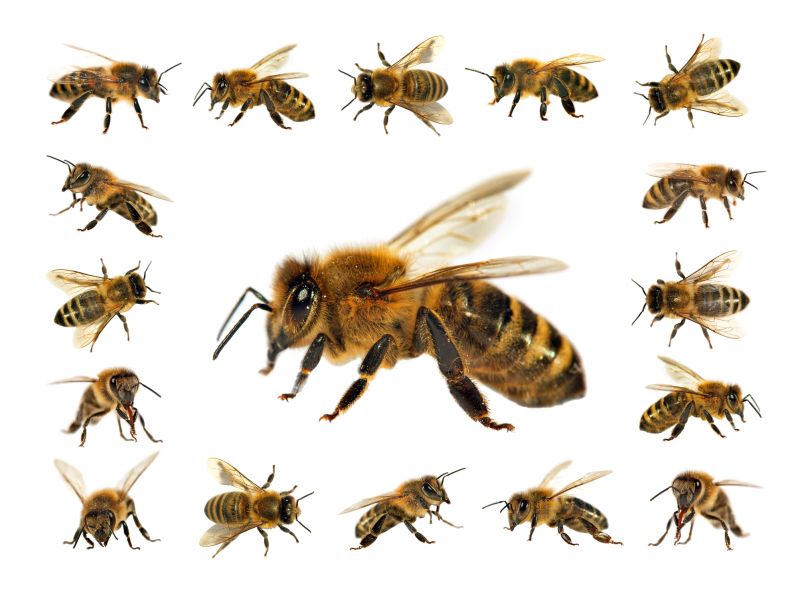
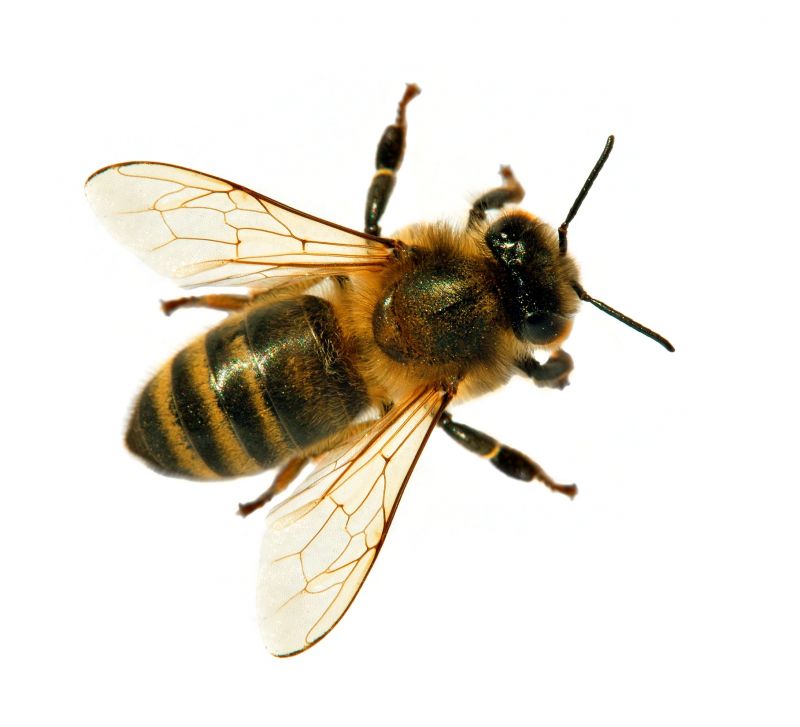
Understanding seasonal bee activity and when pest control is most effective can help property owners manage and prevent unwanted bee encounters. During certain times of the year, bees are more active, especially in spring and summer when they build colonies and forage for food. Property owners who notice increased bee activity around their yards, eaves, or structures may consider reaching out to local contractors who specialize in seasonal bee control services to safely remove or manage colonies before they become a bigger concern.
Timing also plays a crucial role in pest control strategies. The most effective periods for bee removal often align with their peak activity seasons, making it easier for service providers to handle colonies humanely and efficiently. Property owners who want to address bee issues early or prevent future infestations might look into seasonal bee control services offered by local contractors. These professionals can assess the situation and recommend the best approach to keep bees at bay during their most active months.
When is seasonal bee activity at its peak? Seasonal bee activity typically increases during warmer months, such as spring and summer, making pest control more effective during these times. Local contractors often recommend scheduling treatments when bee populations are most active to ensure thorough removal. Understanding these patterns can help homeowners plan pest control services for better results.
Why is timing important for bee pest control? Timing is crucial because bees are most active during certain seasons, which can affect both the safety and effectiveness of pest control efforts. Local service providers can advise on optimal periods to treat bee issues to minimize risks and maximize success.
How do seasonal changes impact bee behavior and pest control? Seasonal changes influence bee behavior, with increased activity in spring and summer and reduced activity in fall and winter. This variation helps local contractors determine the best times to implement control measures for long-lasting results.
Are there specific seasons when pest control is less effective for bees? Pest control for bees is generally less effective during colder months when bee activity diminishes. Local pros often recommend scheduling treatments during active seasons for better outcomes and safer removal.
What role does local climate play in seasonal bee activity? Local climate conditions can affect when bees are most active, influencing the timing of pest control services. Understanding regional patterns helps service providers plan treatments when bees are most vulnerable or accessible for removal.
Timing pest control efforts - Property owners can plan pest control treatments during peak seasonal bee activity to ensure more effective removal and prevention.
Monitoring bee activity patterns - Observing changes in bee presence throughout the year helps determine the best times for professional intervention.
Scheduling inspections in off-peak seasons - Off-peak periods may allow local contractors to perform treatments with less bee activity, reducing risks and increasing success.
Understanding seasonal behavior - Learning about seasonal bee activity can guide property owners in implementing preventative measures with the help of local service providers.
If you are thinking about seasonal bee activity and when pest control is most effective for a property, this guide is meant to help you understand this topic, the typical project types, and how different options might fit your plans.
When you are ready, you can use the quote form on this page to share a few details about your project. From there, local pros can review the basics and follow up with options that match what you have in mind.